
Headache Related to TMD and Jaw-Muscle Tension
Headache and the Jaw Muscles
Headache related to TMD is a headache linked to the jaw joint or chewing muscles, often felt as a dull, tight ache along with jaw and neck muscle tension. Dr. Jared Nabeta or Dr. Kaitlin McCann assesses your jaw, bite and related neck muscle tension and explains the options, which may include habit guidance, a custom night guard and, for suitable patients, therapeutic botulinum toxin A (a neuromodulator). If the exam points to another cause, we will suggest you see your physician.
How Frequent Headaches Can Affect Daily Life
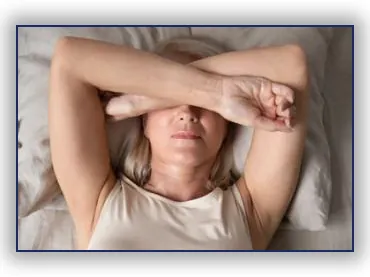 Daily life: frequent head pressure and muscle tension can make it hard to concentrate.
- Sleep Disruptions and Fatigue: Persistent headaches interfere with restful sleep, causing daytime fatigue, reduced productivity, and increased stress levels.
- Jaw and teeth: ongoing muscle tension can be linked with TMD and with tooth wear from grinding.
- Stress: stress and muscle tension often go together.
Treatment for Headache Secondary to TMD
When a headache is related to the jaw muscles or joint, a dental assessment can identify it and discuss treatment options in person. See our page on TMD, jaw pain and migraine care in Burlington.
Our 3-Step Consultation Process
1. Consultation: We review your medical, dental and headache history and examine your jaw joint, chewing muscles and bite. 2. Treatment plan: Your dentist explains the options that may suit you, with their risks and alternatives, so you can make an informed decision. 3. Treatment and follow-up: If you choose treatment, we explain aftercare and book a follow-up visit.
2. Treatment plan: Your dentist explains the options that may suit you, with their risks and alternatives, so you can make an informed decision.
3. Treatment and follow-up: If you choose treatment, we explain aftercare and book a follow-up visit.
Jaw and Neck Muscle Tension Related to TMD
Clenching and grinding can keep the jaw muscles working when they should be resting. For some people with TMD, that tension is also felt in the neck, as a tight, aching feeling or a headache that seems to start in the jaw or neck.
Dr. Jared Nabeta or Dr. Kaitlin McCann assesses the jaw joint, chewing muscles, bite and related neck muscle tension, and asks about clenching, posture and sleep. Depending on what they find, options may include self-care and habit guidance, a custom night guard, working alongside your physician or physiotherapist and, for suitable patients, therapeutic neuromodulator treatment (botulinum toxin A) for TMD-related jaw and neck muscle tension. We explain the risks, alternatives and what to expect before any treatment.
If neck pain follows an injury, comes with numbness, weakness or fever, or does not fit a TMD pattern, we will ask you to see your physician.
Frequently Asked Questions
Can jaw clenching cause neck tension?
It can contribute. In some people with TMD, clenching and grinding keep the jaw muscles tense, and that tension can be felt in the neck as well. An assessment helps sort out whether TMD is part of the picture.
Do you treat neck muscle tension?
Yes, when it is related to TMD. Dr. Jared Nabeta or Dr. Kaitlin McCann assesses the jaw and related neck muscle tension and explains the options, which may include therapeutic neuromodulator treatment for suitable patients.
Can TMD cause tension-type headaches?
It can contribute. When the jaw muscles stay tense from clenching or grinding, some people feel a dull, tight headache at the temples or forehead. A dental assessment checks whether the jaw joint or chewing muscles are involved.
Is botulinum toxin A used for headache related to TMD?
For some patients, yes. Dr. Jared Nabeta or Dr. Kaitlin McCann may discuss therapeutic botulinum toxin A, a prescription neuromodulator, for TMD-related jaw and neck muscle tension after a full assessment. The effect is temporary, and the risks and alternatives are explained before any decision.
How is headache related to TMD assessed?
We review your symptoms and health history and examine the jaw joint, chewing muscles and bite. If the exam suggests a different cause, we will suggest you see your physician.
Do I need a referral?
No. You can book a TMD assessment directly. If a physician or physiotherapist is involved in your care, we work alongside them.