
Blogs
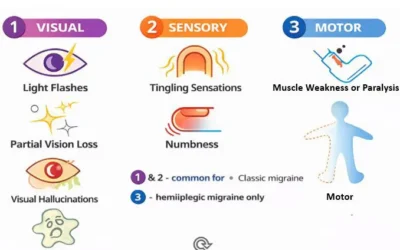
What Is Migraine With Aura? Understanding Visual, Sensory, and Motor Symptoms
Migraine with aura affects approximately one in four people living with migraine. Aura refers to temporary neurological symptoms that occur before or during a migraine attack. Understanding migraine with aura is critical for accurate diagnosis and appropriate...

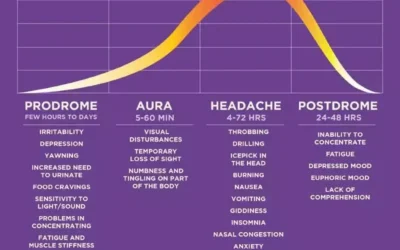
Migraine Headache Symptoms: Early Warning Signs to Know
Migraines are not simply intense headaches, they are a complex neurological condition involving abnormal activation of the trigeminal nerve and changes in brain signaling. Common migraine symptoms include throbbing or pulsating head pain, often localized to one...
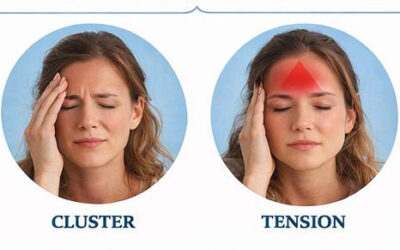
Not All Headaches Are the Same: Headache vs Migraine
Many people use the term “migraine” to describe any severe headache. Tension-type headaches are the most common headache worldwide. They typically produce a dull, pressure-like sensation on both sides of the head. Many patients describe it as a “tight band”...
A Coordinated Approach to Migraine Care
Migraine care often involves more than one person. Your physician diagnoses migraine and leads your medical care. Other providers, such as a dentist for jaw pain or a physiotherapist for neck tension, may be part of the plan. Sharing information between providers...

Why Migraine Treatment Must Be Personalized
Migraine is a highly individualized neurological condition. While patients may share similar symptoms, the underlying drivers of migraine pain can vary significantly from person to person. Some patients experience migraines driven primarily by nerve...

Long-Term Migraine Care: Questions to Ask Your Physician
Migraine can last for years, so it is reasonable to ask how a care plan will be reviewed over time. Any long-term treatment has risks as well as possible effects, and these should be reviewed with your physician regularly.Questions you may want to ask your...