
Reviewed by Dr. Jared Nabeta, General Dentist (DDS)
If your snoring has become louder or more frequent, or your partner says it’s keeping them up more than it used to, you’re not imagining it. Snoring often changes over time. It can get worse with age, after a drink in the evening, during a cold or allergy season, or after changes in weight, medication or sleep habits. This article explains why snoring can get worse, which changes can be worth trying, and when it makes sense to talk to your physician.
What causes snoring in the first place?
Snoring is the sound made when soft tissues in the throat vibrate as air moves through a narrowed airway during sleep. During sleep, the muscles that help keep the airway open naturally relax, and if the airway narrows, moving air can make the tissues vibrate. The soft palate, the soft back part of the roof of your mouth, is one of the tissues that can vibrate.
Snoring can have several causes, and more than one can be involved at the same time. When snoring gets worse, it usually means one or more of those factors has changed.
Why does snoring get worse with age?
Muscle tone and soft tissue change as we get older. The tissues of the throat and soft palate can become softer and less firm, and the muscles that support the airway during sleep may relax more easily. Softer tissue can vibrate more, so snoring that was occasional at 30 may be a nightly sound at 50. Not everyone snores more with age, but it is a common reason for a change.

Why do I snore more after drinking alcohol?
Alcohol and sedating medications may increase muscle relaxation, including in the muscles that help keep the airway open. With those muscles more relaxed, the airway can narrow more easily and the soft tissues can vibrate more. If your snoring is worse after alcohol, having less alcohol in the hours before bed is a reasonable change to try. If you think a medication may be playing a part, talk to your physician or pharmacist before changing it.
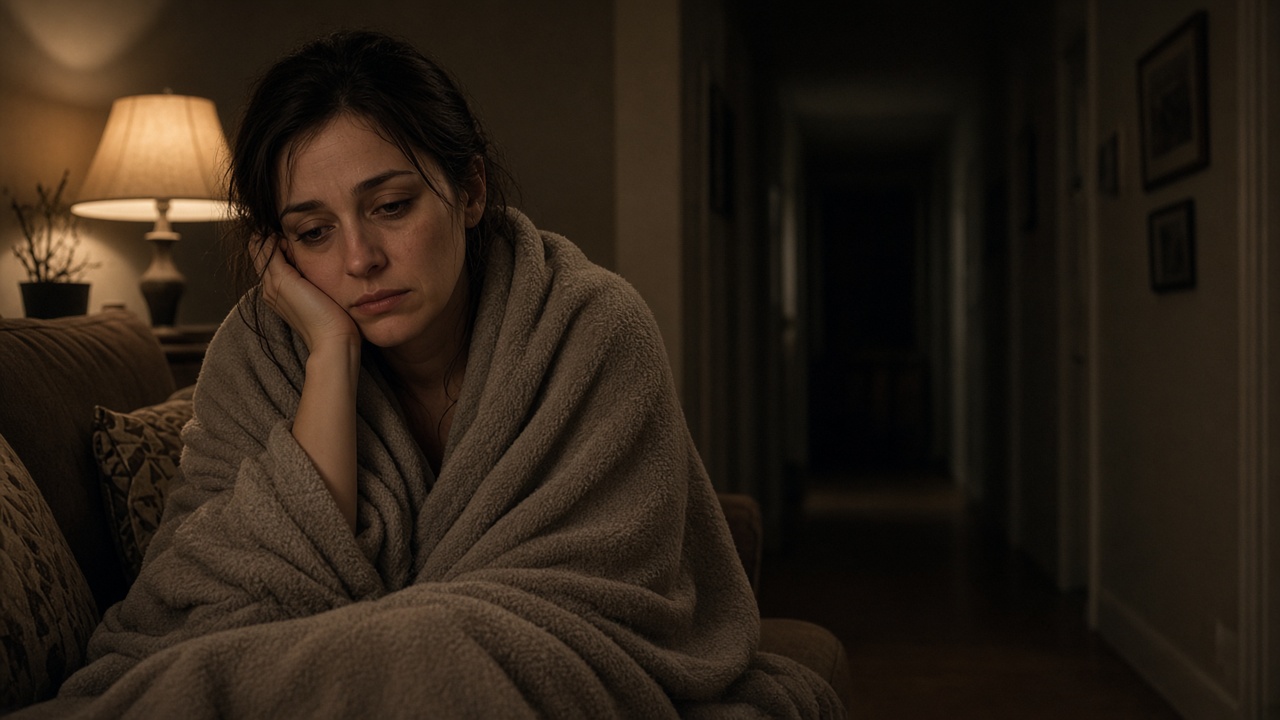
Does sleeping on my back make snoring worse?
It can. Sleeping on your back can let the tongue and soft tissues move toward the airway, which can narrow it. If your snoring seems worse in certain positions, sleeping on your side is a simple change some people find helpful.
Can a cold or allergies make snoring worse?
Yes. Nasal congestion from a cold, allergies or a structural blockage can make it harder to breathe through your nose, so more air moves through the mouth and throat during sleep. Over-the-counter or prescribed products for nasal congestion may help some people for a time, but they don’t address every cause. If congestion is ongoing, your physician or pharmacist can help.
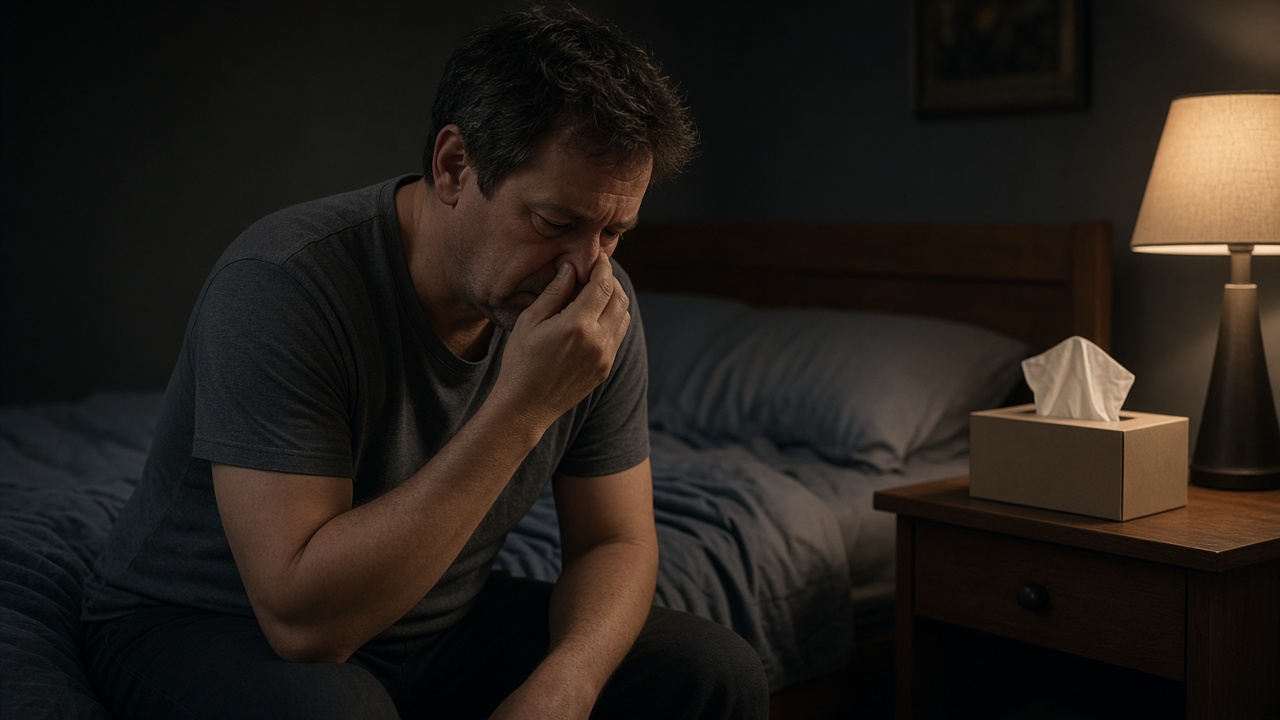
Can weight changes affect snoring?
Body weight and how tissue is distributed around the neck and airway can affect snoring. Some people notice their snoring changes when their weight changes. The shape and position of the jaw, tongue, palate and other airway structures also play a part, so people of any size can snore.
How does snoring affect a partner?
Snoring often affects two people: the person snoring and the person lying awake next to them. Partners may have trouble falling asleep, wake up repeatedly or start sleeping in separate rooms. Poor sleep can contribute to irritability, trouble concentrating and lower daytime energy in the household.
When should I talk to my physician about snoring that’s getting worse?
Many people snore without any other health concern. But snoring that comes with certain signs should be discussed with your family physician, because these signs call for a medical assessment, which our office does not provide. Talk to your physician if:
- a partner notices pauses in your breathing, followed by gasping or choking
- you wake up choking or gasping
- you are very sleepy during the day, or have trouble with memory, concentration or mood
- you often wake with a morning headache or a dry mouth
If any of these apply, please see your physician before considering snoring treatment. If your physician is already involved in your sleep care, we work alongside them.
Where does CO2 laser snoring treatment fit in?
When snoring appears to be related to the soft palate, and there are no signs that call for a physician’s assessment first, our general dentists offer an in-office, non-surgical treatment with a fractional CO2 laser. The laser delivers short pulses of energy to the surface of the soft palate. It’s designed to stimulate collagen in the treated tissue, with the aim of firming the tissue and reducing the vibration that causes snoring.
This is a treatment for snoring only, and it doesn’t replace care prescribed by your physician. How each person responds varies, and no result can be promised. Read more in our article on snoring and laser airway treatment and on our CO2 laser snoring treatment page. For background reading, our research library includes a recent study on snoring vibration and upper-airway muscle.
Fees and insurance
Nabeta Dentistry is a fee-for-service office. We accept the Canadian Dental Care Plan (CDCP), and we submit claims to your insurance for you. Coverage differs from plan to plan, so we give you a written estimate before treatment.
Requesting an appointment
Our general dentists see patients for snoring at our office in Burlington, and no referral is needed. Learn more on our snoring page. To request an appointment, call 905-639-6701 or request an appointment online.
Frequently asked questions
Why is my snoring suddenly louder?
Snoring can get louder when something changes, such as a cold or allergies, a drink close to bedtime, a new medication, weight changes or sleeping on your back more often. If louder snoring comes with pauses in breathing, gasping or marked daytime sleepiness, talk to your physician.
Does snoring get worse with age?
It often can. Muscle tone and soft tissue in the throat change with age, and softer tissue can vibrate more during sleep. Not everyone snores more as they get older, but it is a common reason people notice a change.
Why do I snore more after drinking alcohol?
Alcohol may increase muscle relaxation, including in the muscles that help keep the airway open. The airway can then narrow more easily, and the soft tissues can vibrate more, so snoring may be louder on nights with a drink close to bedtime.
Can changing sleep position help snoring?
For some people, yes. Sleeping on your back can let the tongue and soft tissues move toward the airway, so some people snore less on their side. It depends on what is causing the snoring.
Is CO2 laser treatment for snoring right for everyone?
No. It is a treatment for snoring only, for people whose snoring appears related to the soft palate and who have no signs that call for a physician’s assessment first. It doesn’t treat snoring caused mainly by nasal blockage or jaw position, and response varies from person to person.